By Bond Bahamas
Choosing paint colors is one of the most consequential decisions in any home, and in Nassau, it carries considerations that no mainland design guide fully addresses. The tropical light at this latitude, the blue-green reflection off Nassau Harbour and the surrounding turquoise waters, and the year-round warmth of Bahamian life all change how colors read, perform, and age in this environment.
Understanding how to choose paint colors for a home here means treating light as the primary design variable, and at Bond Bahamas, we bring that local knowledge to every conversation we have with clients in this market.
Key Takeaways
- Light quality: Nassau's tropical sun reads colors more intensely than northern climates, making disciplined sample testing essential before any color commitment.
- Living spaces: Open-plan Nassau interiors benefit from color choices that support the indoor-outdoor flow central to Bahamian residential life.
- Private rooms: Bedroom colors must account for year-round warmth, high humidity, and the sustained UV exposure specific to this latitude.
- Exterior tradition: Nassau's architectural identity embraces bold color, and exterior paint must balance that tradition against the demands of a tropical climate.
How Nassau's Tropical Light Changes Color Perception
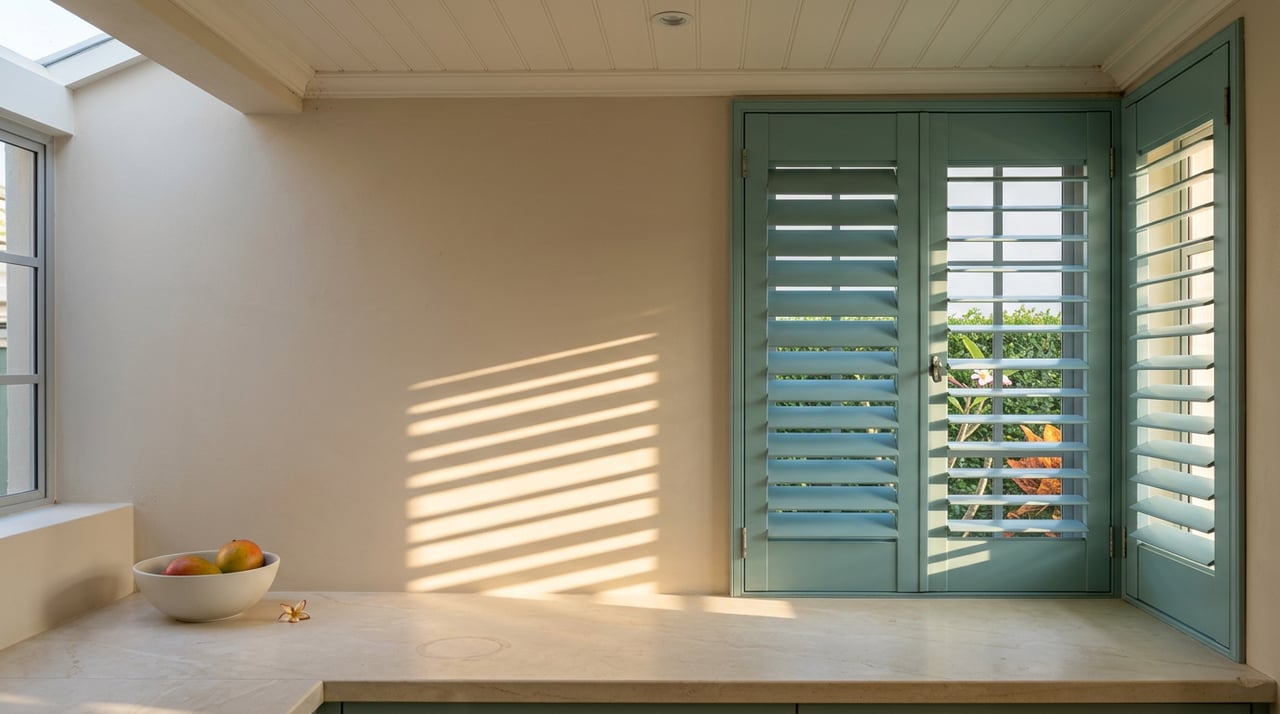
Paint colors in Nassau behave differently than they do in cooler climates because the light here is more intense and arrives at a higher angle year-round, causing samples to consistently underrepresent the saturation of the final wall color.
Why Testing Paint Colors in Nassau Conditions Matters More Than Anywhere Else
- Sample size and placement: Paint samples should be at least 12 inches square and tested on multiple walls, including one that receives direct Nassau afternoon sun, before any color commitment is made.
- Light Reflectance Value: In Nassau's high-sun environment, paints with a high Light Reflectance Value amplify a room's brightness considerably, making shades that look balanced in a dim showroom feel overwhelming in full tropical light.
- Time-of-day variation: Colors shift significantly between Nassau's cooler morning light and the warm golden tones of late afternoon, making it important to observe any sample across the full arc of the day.
Paint professionals working in Nassau and on New Providence Island frequently recommend ordering samples a tone or two lighter than the desired final effect.
Choosing Color for Living and Dining Spaces
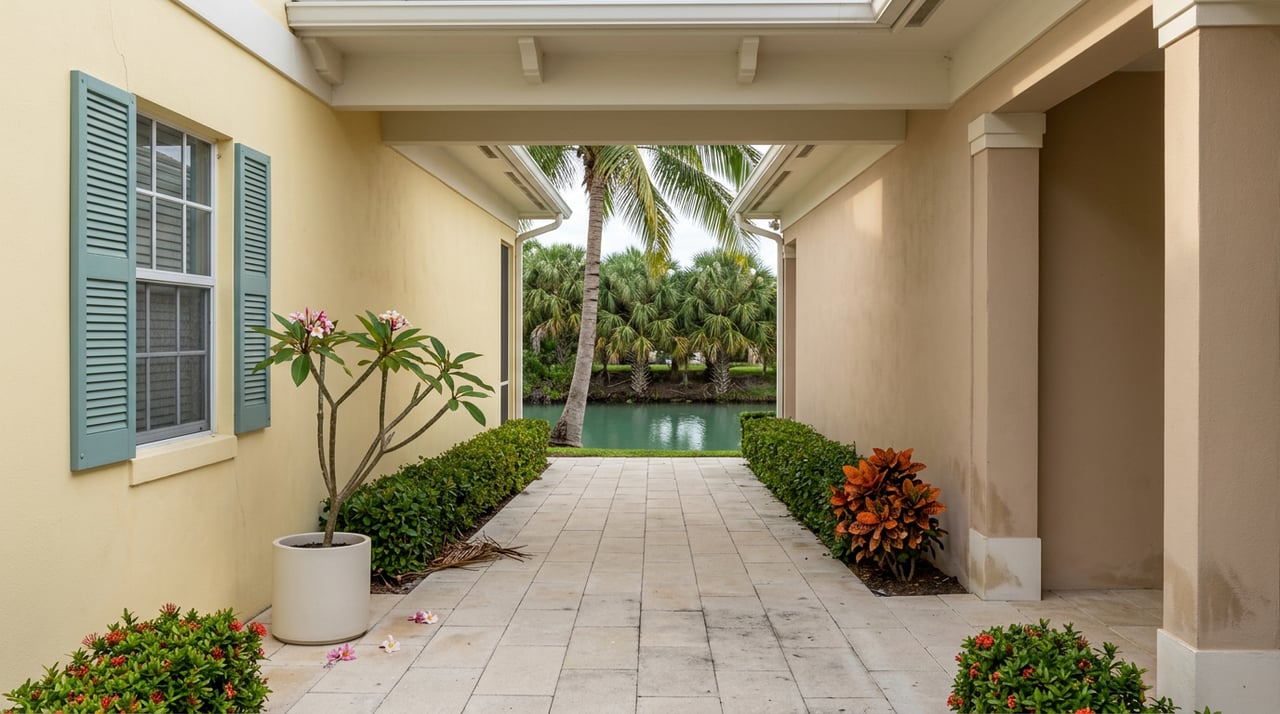
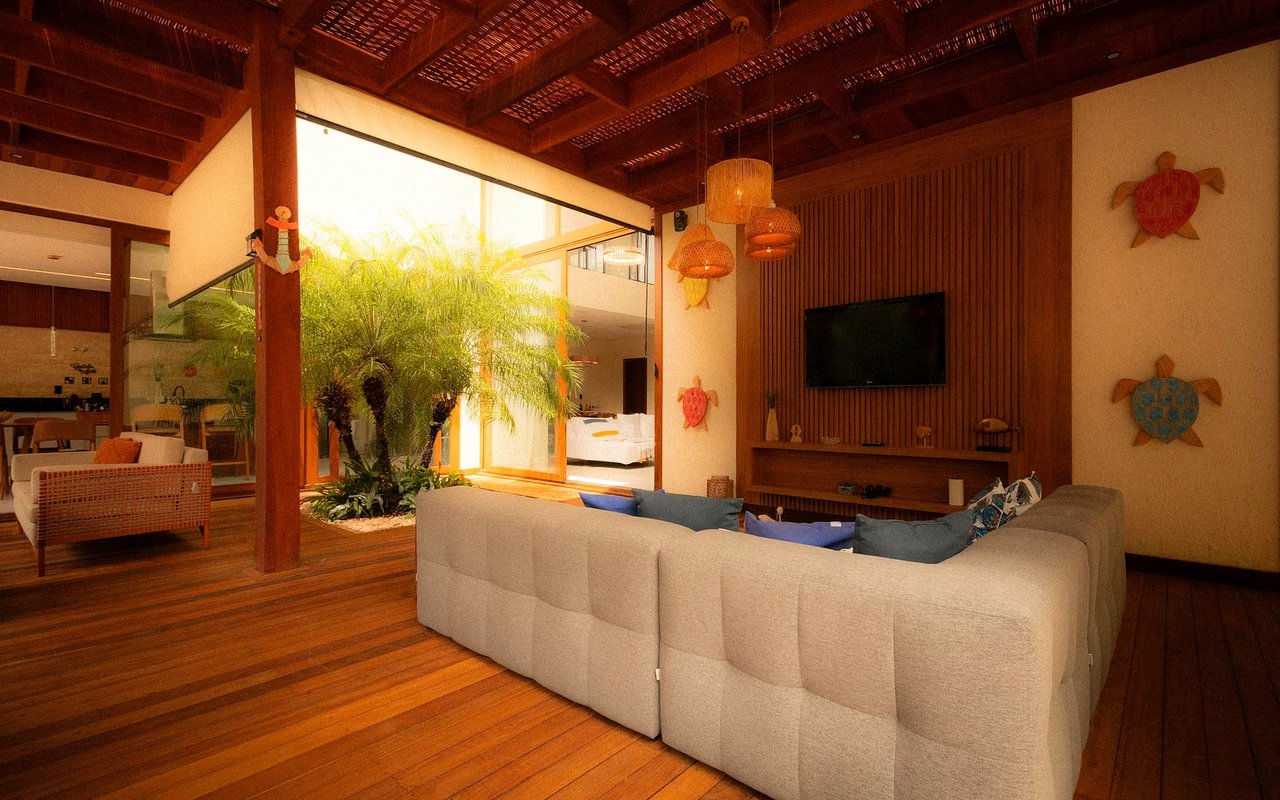
Nassau homes designed for island living typically feature open-plan living and dining areas that flow directly to covered terraces, pools, and garden spaces, which means interior paint colors must work coherently alongside outdoor views of tropical vegetation, water, and sky.
Color Families That Work Best in Nassau's Open-Plan Social Spaces
- Warm whites and soft creams: Shades with undertones that lean toward sand or ivory read well in Nassau living rooms because they bring a warmth that complements the vivid blues and greens visible through large windows and open doors.
- Earthy neutrals: Colors drawn from the natural palette of the Bahamian landscape, like warm taupes, sandy beiges, and soft terracottas, provide a grounding contrast to the high-saturation tropical environment visible from most Nassau properties.
- Desaturated coastal tones: When a cooler palette is preferred, selecting significantly desaturated versions of the outdoor water colors visible through the windows preserves the visual distinction between inside and outside that makes interior color work effectively in any Nassau setting.
Open-plan color choices in Nassau homes should be tested at both the interior wall level and at the glazing line, where the interaction between paint and ambient tropical light is most visible.
Color Selection for Bedrooms and Private Spaces
Bedrooms in Nassau homes face a color challenge that northern-climate design resources rarely address: creating a visually calm, restorative environment in conditions of year-round warmth, high humidity, and light that is both more intense and more sustained across seasons than in temperate regions.
Bedroom Color Principles for Nassau's Tropical Living Conditions
- Cool, low-saturation tones: Pale blue-greens, soft lavenders, and muted sage greens create a cooling perceptual effect well suited to Nassau bedrooms where consistent ambient warmth is a year-round condition.
- Paint finish for humid climates: In Nassau's high-humidity environment, eggshell and satin finishes are the practical choice for bedrooms, resisting moisture absorption and allowing walls to be cleaned without surface damage.
- Ceiling color strategy: Extending the wall color to the ceiling in a slightly lighter value reduces visual complexity and promotes serenity, an approach particularly well suited to the generous ceiling heights found in Old Fort Bay and Lyford Cay estate homes.
Bedroom color decisions should also account for room orientation, as a south-facing bedroom in Nassau will receive different light intensity and color temperature than a north-facing one.
Exterior Color and the Bahamian Architectural Tradition
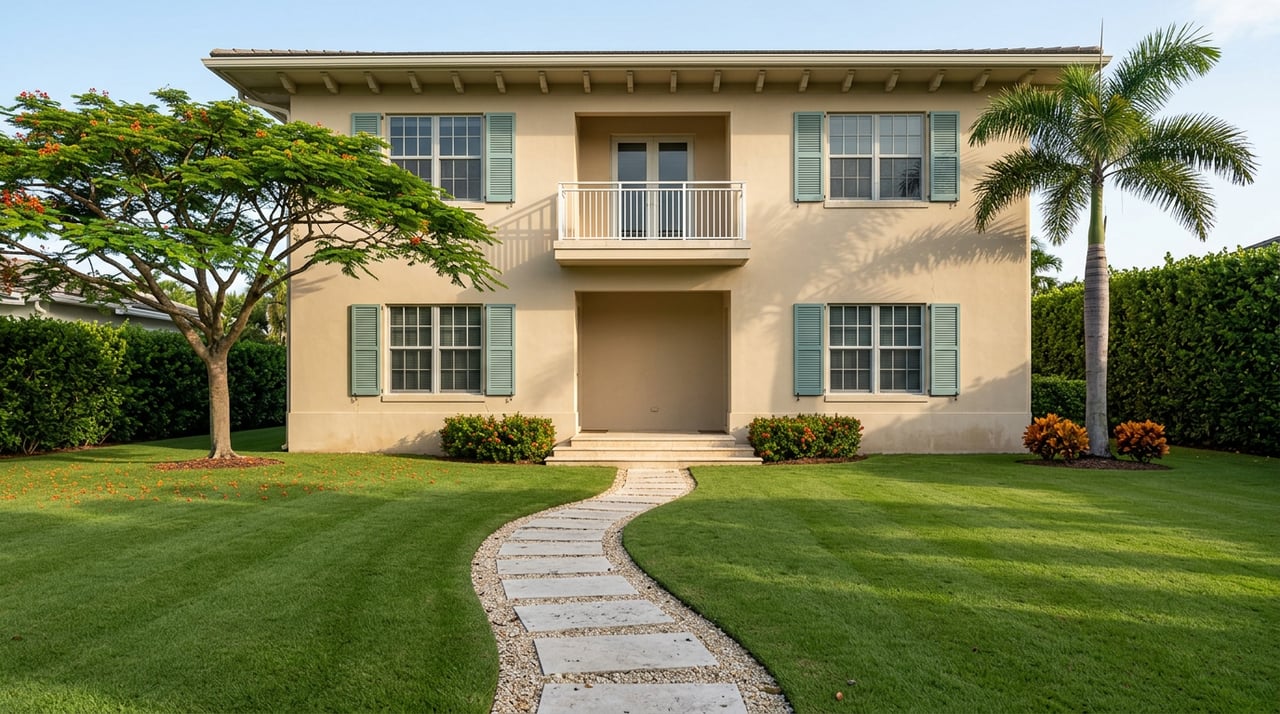
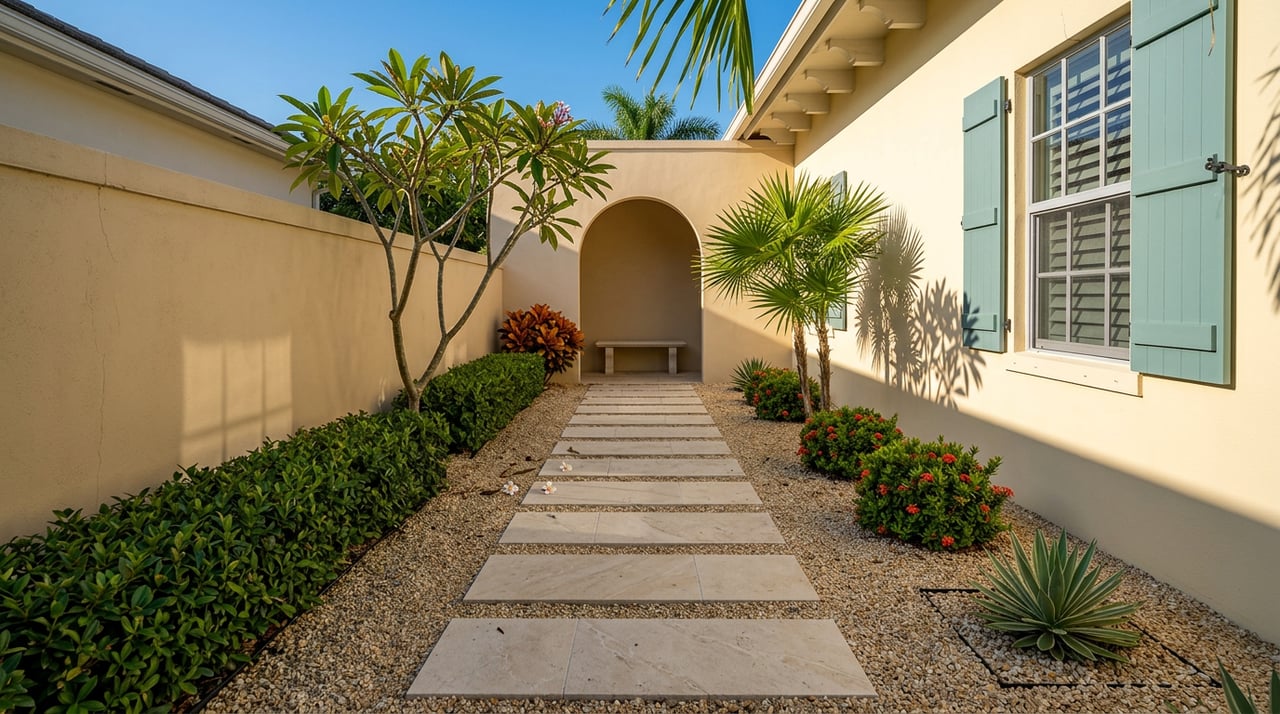
Nassau's built environment is defined by color in ways that few cities in the world can match, with the traditional Bahamian approach to exterior paint producing the coral, yellow, turquoise, and green facades.
Exterior Paint Considerations Specific to Nassau Properties
- UV-resistant formulations: At Nassau's latitude, exterior paint faces intense UV radiation year-round, making acrylic formulations with UV-inhibiting additives a practical investment that measurably extends the life of any exterior finish.
- Salt-air durability: Properties on Cable Beach, the eastern shores of New Providence, and waterfront locations throughout the Family Islands require exterior paint rated for salt-air environments, as standard formulations will chalk, peel, and discolor considerably faster in high-salinity conditions.
- Color within the Bahamian tradition: Nassau's architectural identity supports exterior colors that are bolder than what most mainland guides recommend, and drawing from the local palette of bright coral, turquoise, and yellow is one of the most effective ways to connect a property to its setting.
Exterior color choices benefit from the same disciplined testing applied to interiors, with large paint-out samples evaluated across multiple times of day and in both direct sun and shade before a final selection is made.
FAQs
How does Nassau's light differ from what most American or European design guides describe?
Nassau sits at a tropical latitude where the sun angle is consistently higher, and UV intensity is greater than in temperate climates, causing paint colors to read as more saturated and to fade more quickly than the same products would in a cooler environment.
What paint finish is best for Nassau homes, given the humidity and salt air?
Satin and eggshell finishes are the most practical choices for interior spaces in Nassau homes, as they resist moisture absorption and allow for regular cleaning without surface degradation.
Are there any restrictions on exterior paint colors in Nassau's historic areas?
The historic core of Nassau, including areas around Bay Street and Parliament Square, carries architectural and heritage considerations that may involve review by planning authorities before exterior changes are made.
Contact Bond Bahamas Today
The color palette of a Nassau home is as fundamental to its identity as its architecture, and in the Bahamas, the two have always been inseparable, from the painted coral and turquoise facades of Old Nassau to the sun-drenched exteriors of contemporary villas on Cable Beach and Old Fort Bay.
If you are considering a home in Nassau or anywhere in the Bahamas and want to talk through how design choices connect to value and the broader living experience, reach out to us at Bond Bahamas today, and let's have that conversation.
If you are considering a home in Nassau or anywhere in the Bahamas and want to talk through how design choices connect to value and the broader living experience, reach out to us at Bond Bahamas today, and let's have that conversation.